

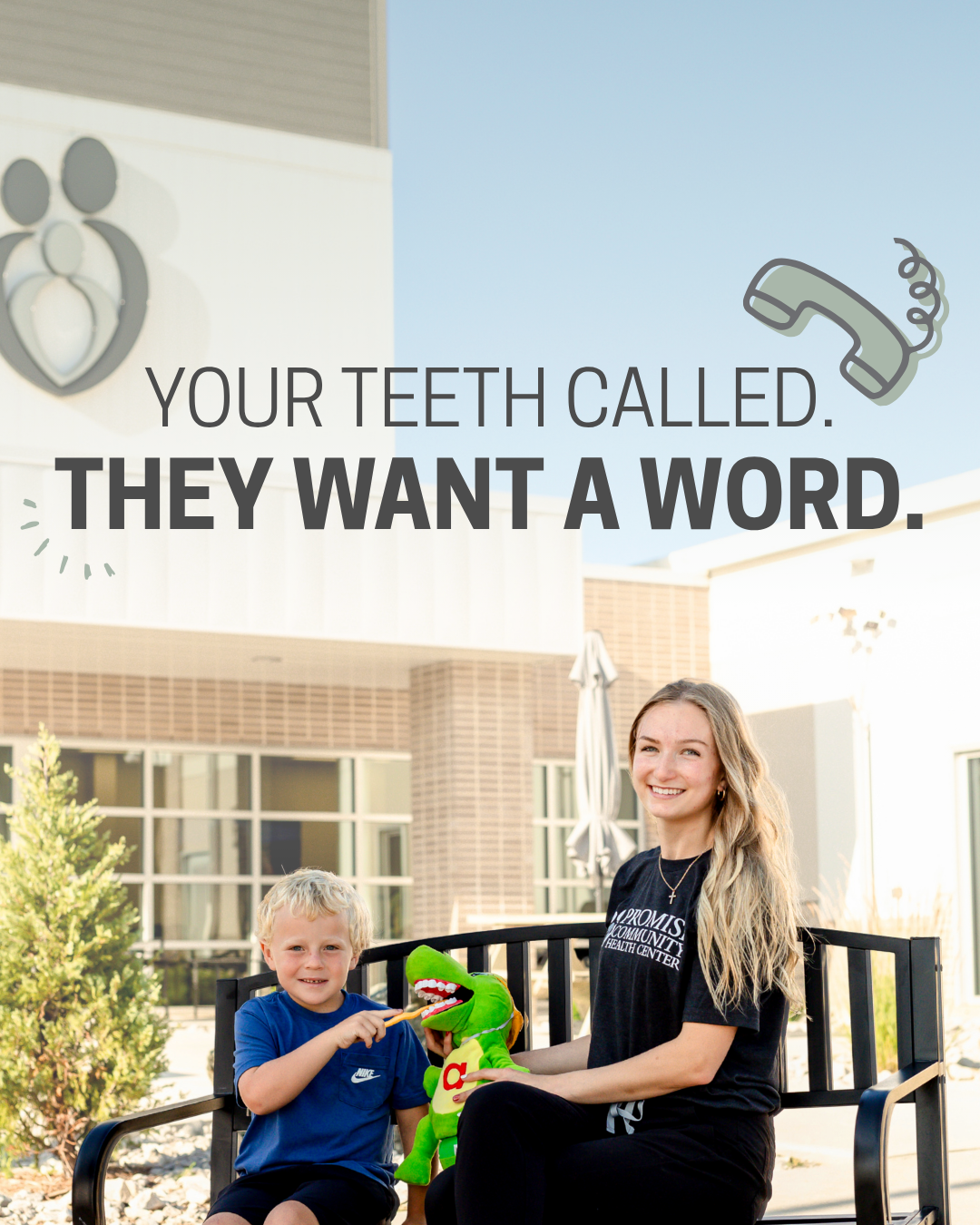
Your teeth work hard. They chomp, crunch, and grind through thousands of meals, and they ask for very little in return: two minutes, twice a day. Let’s talk about how to keep them happy.
What Is Tooth Decay, Anyway?
Your mouth is home to hundreds of species of bacteria. Most are harmless roommates, but some love sugar. When you eat or drink something sugary or starchy, those bacteria throw a party and produce acid as a byproduct. The acid wears away enamel, the hard outer shell of your tooth, and over time that can become a cavity.
Cavities aren’t a moral failing. They’re a mix of biology, habits, and circumstances, which brings us to…
Who’s at Risk?
Pretty much anyone with teeth, but some folks have a higher chance:

- Kids and teens. Newly erupted teeth, snack-heavy diets, and brushing technique that’s still a work in progress. Tooth decay is one of the most common chronic conditions of childhood.
- Older adults. Receding gums expose tooth roots, which decay more easily than enamel. Many older adults also take medications that dry out the mouth.
- Anyone with dry mouth. Saliva is your mouth’s built-in cleaning crew, neutralizing acid and rinsing away food. Hundreds of common medications, plus certain health conditions, can reduce it.
- Frequent snackers and sippers. It’s how often your teeth are bathed in sugar and acid, not just how much. A soda slowly sipped over three hours is worse than one eaten with a meal.
- People with acid reflux, since stomach acid is rough on enamel.
- Tobacco and vaping users, who face higher risks for both decay and gum disease.
- People with diabetes, who have a higher risk of gum disease and dry mouth.
- Anyone without regular access to dental care or fluoride. Cost, distance, and busy schedules are real barriers, and they add up.
- Braces wearers, since brackets and wires create extra hiding spots for plaque.
If you spotted yourself on that list, don’t panic. Risk isn’t destiny. It just means your habits matter a little more.
How to Prevent Tooth Decay
The good news: the basics really work.
- Brush twice a day for two minutes with fluoride toothpaste. Fluoride helps rebuild weakened enamel, like a tiny repair crew working the night shift. Pop on a song if two minutes feels like forever.
- Clean between your teeth daily. Floss, interdental brushes, or a water flosser all count. Your toothbrush can’t reach the spots between teeth, so those are where cavities love to start.
- Give your snacking some breathing room. Fewer “grazing” moments means fewer acid attacks. Try to keep sugary drinks to mealtimes.
- Drink water, especially fluoridated water. It rinses away food bits and, if your tap water is fluoridated, strengthens teeth along the way.
- See your dentist regularly. They can catch small problems before they become big (and expensive) ones. Ask about sealants for kids and fluoride varnish for anyone at higher risk.
- Replace your toothbrush every three months, or sooner if the bristles look like they’ve been through a battle.
Surprising Facts and Tips
- Enamel is the hardest substance in the human body, tougher than bone. But it can’t regenerate once it’s gone, so protect it!
- Spit, don’t rinse. After brushing, spit out the excess toothpaste but skip the water rinse. Leaving a little fluoride behind lets it keep working.
- Wait before you brush after something acidic. Citrus, soda, and wine temporarily soften enamel, and brushing right away can scrub it down. Give it about 30 minutes, and rinse with water in the meantime.
- Sugar-free gum is a secret weapon. Chewing it after meals boosts saliva flow, which helps neutralize acid. Look for gum sweetened with xylitol such as Ice Breakers, Orbit, or Trident.
- Cheese is a tooth-friendly snack. It can help neutralize acid and is rich in calcium. Your inner mouse approves.
- Your mouth makes a lot of saliva, roughly a liter or more a day, and it’s doing important work the whole time.
- Cavities are contagious-ish. The bacteria that cause decay can pass between people through shared utensils and saliva, which is why parents’ oral health matters for little ones.
- Your mouth is a window to your overall health. Gum disease has links to conditions like heart disease and diabetes, so your dental visits do more than save your smile.

The Bottom Line
You don’t need a fancy routine, just a consistent one: fluoride toothpaste, daily cleaning between teeth, smart snacking, plenty of water, and regular dental visits. Your future self, chewing happily on a crisp apple at 80, will thank you.
Dental Care at Promise
At Promise, oral health is part of your overall health, which is why dental care sits right alongside medical, vision, and mental health services. Our dental program offers fillings, dental sealants, teeth cleanings, and more for patients of all ages.
Everyone is welcome, and we work to keep care within reach:
We accept Medicaid, including Amerigroup Iowa and Iowa Total Care, as well as private dental insurance.
No insurance? Our sliding-fee scale can greatly reduce the cost of your visit based on income and household size.
Care is available in English and Spanish.